Japanese Culture's
Culture & Traditions
Meticulous Dining
In Japan, dining customs are treated with meticulous care, turning every meal into a cultural ritual. Traditional kaiseki dining, for example, emphasizes seasonal ingredients and artistic presentation, with each dish arranged to reflect nature’s beauty. Even small gestures carry meaning slurping noodles is seen as appreciation, while removing shoes before entering tatami rooms shows respect for cleanliness. Meals are often enjoyed in a calm atmosphere, where quiet conversation preserves harmony. Beyond etiquette, Japan’s washoku cuisine was recognized by UNESCO as an Intangible Cultural Heritage, highlighting its cultural significance. Altogether, these customs transform dining into an experience of mindfulness, gratitude, and aesthetic harmony.
Types of Bowing Etiquette
Tea Ceremonies (Sado)
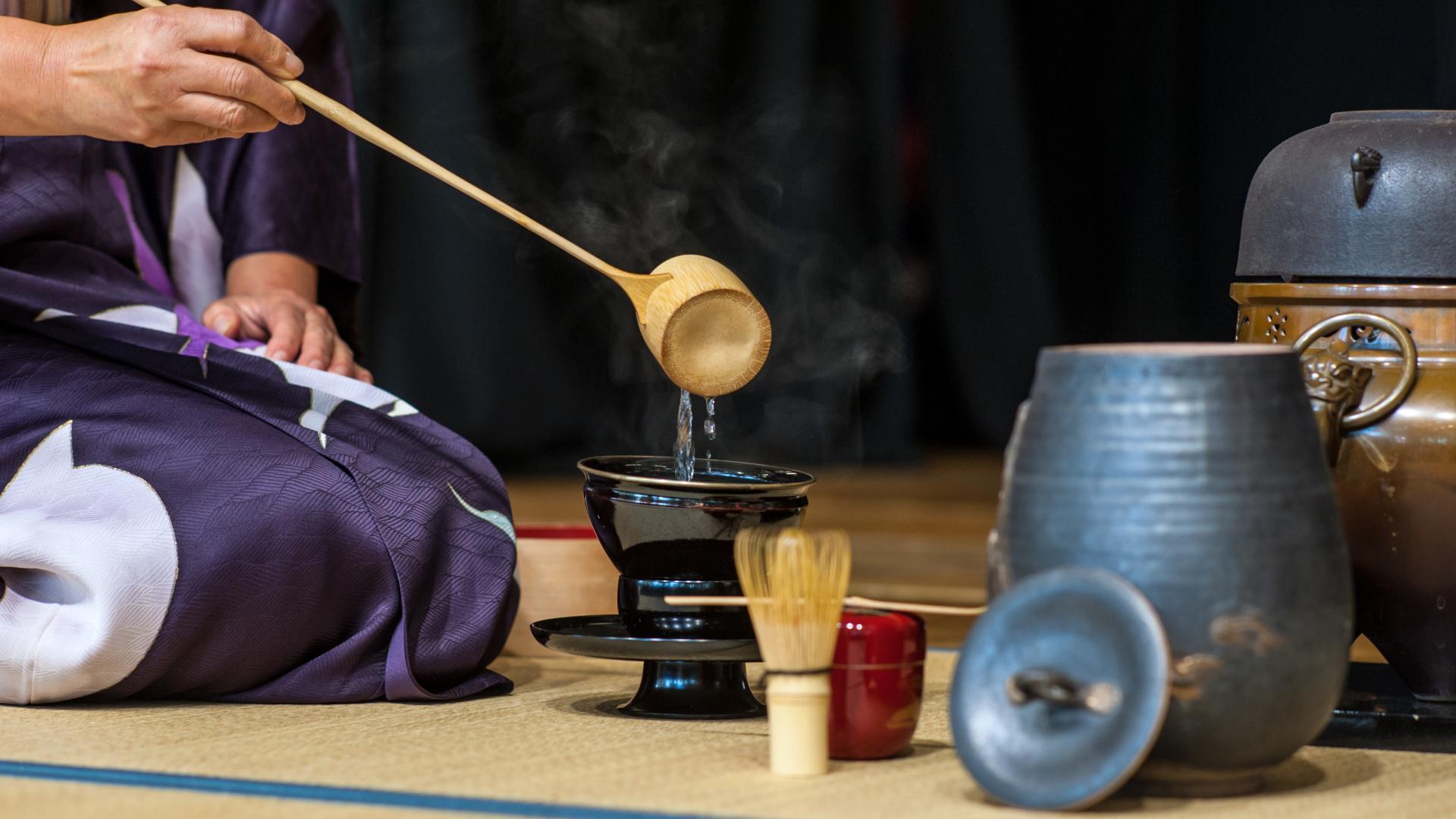
The Japanese tea ceremony, called Sadō (茶道), is more than drinking tea it’s a centuries-old ritual rooted in Zen philosophy that emphasizes harmony, respect, purity, and tranquility. It transforms the simple act of preparing matcha into an art form of mindfulness and hospitality.
The Japanese tea ceremony, or Sadō, is a ritualized art of preparing and serving matcha that embodies harmony, respect, purity, and tranquility. Rooted in Zen Buddhism and refined by tea master Sen no Rikyū in the 16th century
Sumo
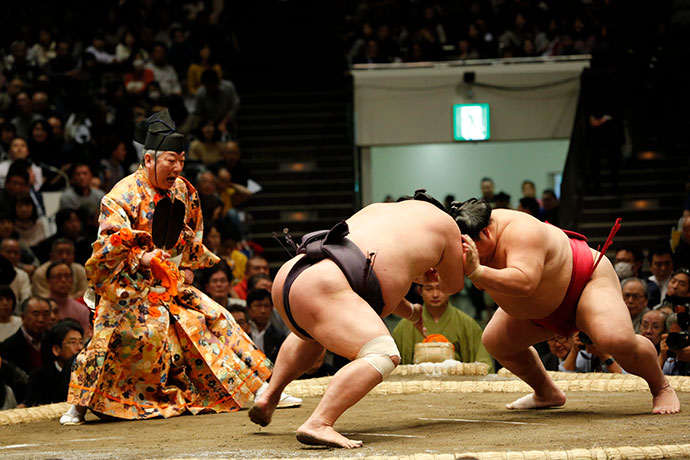
Sumo wrestling in Japan is more than a sport it began over 1,500 years ago as a Shinto ritual to entertain the gods. Today, matches are short but packed with tradition, including salt-throwing ceremonies to purify the ring. Sumo dates back to at least the 8th century, with the first recorded match in 712 AD. It was originally performed at the imperial court as a sacred ritual.
Before each bout, wrestlers throw salt into the ring to purify it and stamp their feet to drive away evil spirits. These traditions connect modern sumo directly to its spiritual roots.
Hot Spring (Onsen)
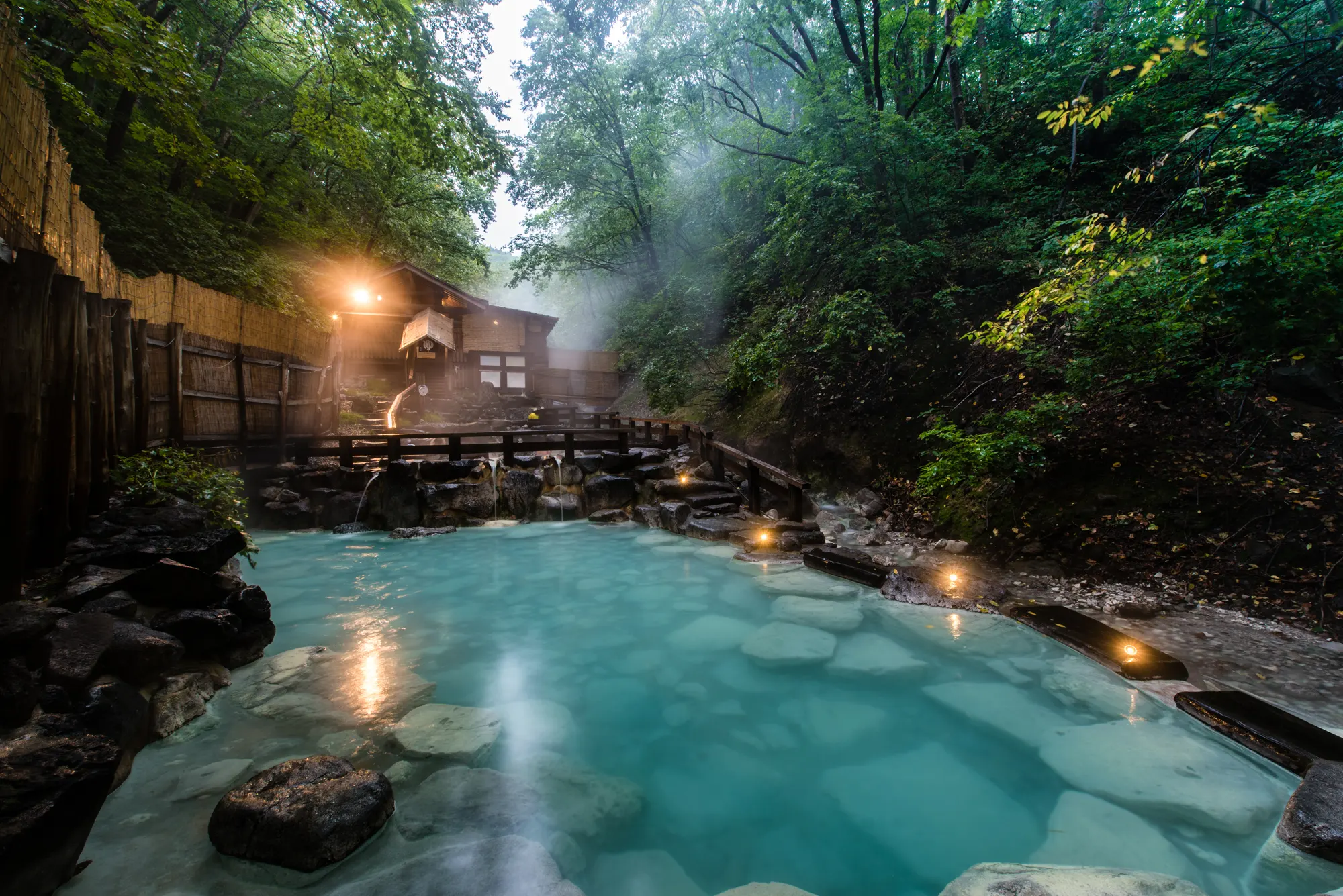
Japan boasts over 3,000 natural hot springs, called onsen, where bathing is both a soothing escape and a cultural tradition. A key etiquette rule is to wash thoroughly before entering the communal bath—this keeps the onsen waters pure and reflects Japan’s deep respect for harmony and cleanliness.
Japan’s onsen culture goes beyond hot spring baths—travelers can enjoy free foot baths (ashiyu) in towns and train stations, try unique sand baths in places like Beppu, and even join seasonal festivals that celebrate the magic of onsen with lanterns and traditions.